


Shaving, waxing, plucking, repeat. Temporary solutions are an hour-long investment, over budget, and most of all, they come back the very next day with associated irritation, ingrown hairs, and trace stubble. No wonder other hair removal techniques are booming. But knowing exactly what they do can help you determine what’s right for your skin and your schedule.
Understanding the Three Wavelengths
Older style laser devices use just one light wavelength, which may not be ideal for all individuals. By contrast a triple wavelength device adopts a more comprehensive approach. It integrates three different configurations in a single handpiece to target hair at varying depths and on varying skin types. This flexibility is one of the key reasons the triple diode laser for hair removal has become so popular among clinics. You can opt for a single wavelength or combine the beams, making each treatment specific to your hair density and area of treatment.
The triple diode laser for hair removalwith three wavelengths generally work like this:
- 755 nm: absorbed readily by fine, lighter-brown hair on fair skin.
- 808 nm: a versatile middle ground that suits many hair and skin types.
- 1064 nm: travels deeper and passes more safely through surface pigment. This helps with deep rooted hair and deeper skin tones.
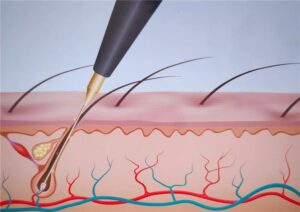
How the Light Reaches the Follicle
Selective Heat, Not Surface Damage
During laser hair removal, melanin in your hair absorbs the laser light, which then turns into heat and travels down the hair shaft to the hair follicle to destroy cells that are responsible for hair growth. Cooling technology is integrated to keep your skin cool and comfortable on the surface during treatment, minimizing the potential for burns.
Why One Session Is Never Enough
Hair isn’t constantly falling out and growing in it happens in cycles, so when you come in at any given time, only follicles in their growing cycle may be responding to treatment. The rest are either dormant or shedding, so you’re likely to skip right by that area. That’s why you’ll typically need six to eight treatments, spaced four to eight weeks apart.
Who Is a Good Candidate?
Since the light targets pigment, the results are strongest on dark hair. Not much melanin is found in grey, white or very light blonde hair, and it seldom gives much result, while red hair can be unpredictable.
Popular treatment areas include:
- Upper lip, chin, and jawline
- Underarms and bikini line
- Arms and legs
- Back, chest, and shoulders
Individuals with hormonal issues like polycystic ovary syndrome may require top-up sessions from time to time as further hair growth can occur. Customers who regularly suffer from unsightly razor bumps may be interested in the concept of laser treatment, though consultation and a patch test are advised initially.
Preparing for Your Appointment
A little preparation improves both comfort and results:
- Shave the area 12 to 24 hours beforehand, leaving the roots intact.
- Avoid waxing, threading, and plucking for about four weeks.
- Stay out of direct sun and avoid fake tan.
- Mention any medications or skin conditions. Especially anything that increases light sensitivity.
Following, a mild feeling of redness or a warm sensation like a sunburn is expected and generally persists for a day or two. Use sun protection; do not take hot baths or go in saunas for 24 to 48 hours, and do not use scrubs.
Finding Out What Suits You
Each person reacts somewhat differently, which is why it’s a good idea to speak with an expert before you make any plans. You can learn more about how laser hair removal works and whether it suits your skincare routine.
Conclusion
Permanent hair reduction is all about choosing the right wavelength for your hair and your skin, and remaining consistent throughout the whole course of sessions. With the right assumptions and correct aftercare it can eliminate years of personal maintenance.
FAQs
- Is the treatment painful?
Overall, it is described as a quick snapping or warming pinching sensation. The built-in cooling system of the handpiece helps reduce the sensation of the procedure. Still, more sensitive areas such as the upper lip may experience a slightly more intense sensation.
- Is the result permanent?
The process is referred to as permanent hair reduction and not permanent hair removal. Most individuals experience a dramatic and permanent reduction in the hair, however due to hormone fluctuations, some hair may return.
- Is it safe for darker skin tones?
Yes it is safe but only if carried out by someone who is fully trained in this type of treatment. The deeper 1064 nm wavelength is less likely to cause surface discoloration.
- How soon will I notice results?
You may notice some shedding and slower regrowth as little as a few weeks after the first session. The more noticeable thinning appears as the sessions progress.
- Can I have treatment while pregnant?
It is typically advised to delay laser hair removal during pregnancy for your safety reasons. It is always a good option to consult with your doctor regarding timing